
The #1 Kilimanjaro Trekking Guide
Climbing Kilimanjaro with the #1-rated Guides on the mountain: Kilimanjaro Trekking Services (KTSC)
Founded in 2021, Kilimanjaro Trekking Services Company (KTSC) is a 100% Tanzanian-owned company specialising in Mount Kilimanjaro trekking, guided climbs, Tanzania safaris, Zanzibar Beach holidays plus gorilla trekking in Uganda & Rwanda. With more than 5 years of experience guiding climbers to Africa’s highest peak, we are ranked the #5 Kilimanjaro Tour Operator on TripAdvisor, recognised by leading travel guides, and a TripAdvisor Travelers’ Choice 2026 Award recipient. Backed by an Excellent rating from more than 70+ verified reviews and an outstanding 98.8% summit success rate, we’ve earned a reputation for safe, successful and unforgettable adventures.
Our Certified Wilderness First Responder guides are among the most experienced and professional on Mount Kilimanjaro — a key factor behind our exceptional summit success rate. From expert pre-climb preparation and state-of-the-art safety protocols to personalised service on every route, we make sure each climber reaches the summit safely and confidently. Whether you choose the Lemosho, Machame, Marangu or Northern Circuit route, we deliver an authentic, safe and unforgettable adventure on Africa’s highest peak.
Join the thousands of climbers who have stood on the Kilimanjaro summit, guided by our expert trek team. Climb Kili with the best Kilimanjaro tour operator.
About the mountain
Kilimanjaro Trekking
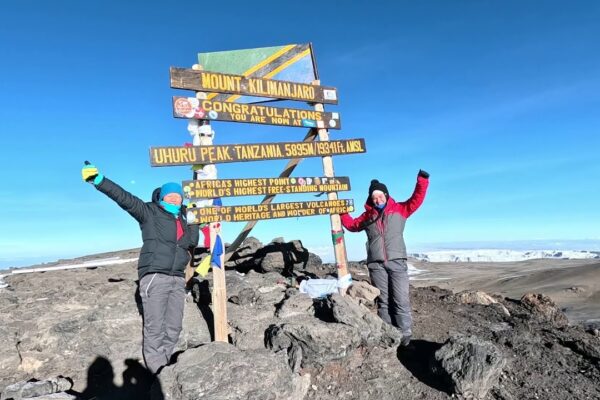
Mount Kilimanjaro, located in Tanzania, East Africa, is the highest mountain in Africa with an elevation of 19,341 feet (5,895 meters). It is the largest free-standing mountain in the world and is one of the seven summits.
Its snow-capped peak towers above the surrounding savannahs and is part of the Kilimanjaro National Park, home to a variety of unique flora and fauna. While it is a dormant volcano, it still serves as an important source of inspiration for climbers and outdoor enthusiasts from around the world.
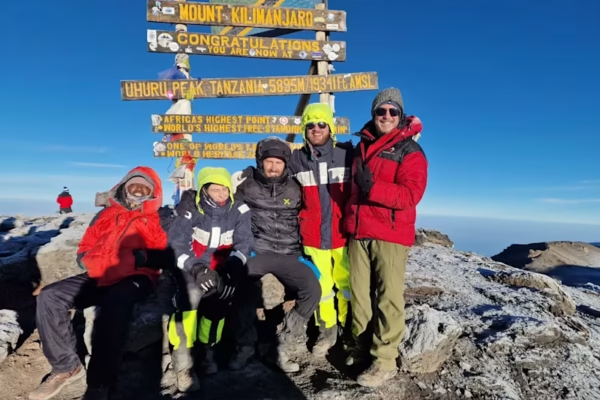
Mount Kilimanjaro is composed of three distinct volcanic cones: Kibo 19,340 ft (5,895 m); Mawenzi 16,896 ft (5,149 m); and Shira 13,000 ft (3,962 m). Uhuru Peak is the highest summit on Kibo’s crater rim.
Kilimanjaro is a giant stratovolcano that began forming a million years ago, when lava spilled from the Rift Valley zone. Two of its three peaks, Mawenzi and Shira, are extinct, while Kibo — the highest peak — is dormant and could erupt again.
The last major eruption has been dated to 360,000 years ago, while the most recent activity was recorded just 200 years ago. Kilimanjaro has 2.2 square kilometres (0.85 sq mi) of glacial ice and is losing it quickly due to climate change: the glaciers have shrunk 82% since 1912 and declined 33% since 1989, and may be ice-free within 20 years.
Who can climb Kilimanjaro?
Anyone from children over the age of 10 to older generations in their 60s and 70s! All you need is determination and the will to reach the summit. The real challenge with climbing Mount Kilimanjaro is the altitude and the rate of ascent — and don’t worry, we’ll be with you every step of the way.
The mountain at a glance
Summit: Uhuru Peak · 5,895 m
Kibo cone: 19,340 ft / 5,895 m
Mawenzi cone: 16,896 ft / 5,149 m
Shira cone: 13,000 ft / 3,962 m
Type: Dormant stratovolcano
Location: Kilimanjaro National Park, Tanzania
Why climb with us
Why climb Kilimanjaro with us
Climb Kilimanjaro with a Tanzania-based team that specialises exclusively in this mountain. From your first conversation with us to your summit attempt and return transfer, your climb is planned and operated directly by our own experienced Kilimanjaro team — never outsourced to a third party.
We run every climb ourselves
- No agents, no outsourcing — our own guides, cooks and porters
- The same team from your Arusha briefing to your airport transfer
- Private departures or small groups, on your dates
Guides who know this one mountain
- Licensed, full-time Kilimanjaro professionals — not seasonal hires
- Your advisor has stood on Uhuru Peak, so ask them anything
- On the mountain since 2021 — 5 years and counting
Safety we won’t cut corners on
- Wilderness First Responder-certified guides on every climb
- Pulse and blood-oxygen checked twice a day, every day
- Bottled oxygen and a full medical kit carried as standard
- Acclimatisation-first routes — we never rush you up
A 98.8% summit success rate
- #1 Kilimanjaro operator on TripAdvisor, backed by 70+ reviews
- Porters paid fairly and treated well — Leave No Trace, always
- All-inclusive: park fees, hotels, food and camping gear sorted
Kilimanjaro Trekking Packages
Climbing Kilimanjaro with The Kilimanjaro Trekking Services Co. Scheduled Kilimanjaro Climbs tours with dates and costs are below. There is no requirement for you to trek on the dates listed below. We release them exclusively for hikers who are interested in climbing with strangers.
Most of our Kilimanjaro climbers choose their own dates (for an extra fee), but the vast majority of them also want us to open their climbs up to others so they can have more company.
No need to fear throngs if you opt to be a part of a group. To make sure the guide can keep an eye on everyone’s progress, meet everyone’s requirements, and give everyone an opportunity to talk to the guide about anything, we limit our hikes to 10 to 15 trekkers unless otherwise agreed upon.
Accompany the Climbing Kilimanjaro Team as they lead you to the summit of Mount Kilimanjaro, where hundreds of climbers have stood before you.
Nearly every day, we have Kilimanjaro group Climbs available. Get in touch with our managers if you’re having trouble finding a climbing group that fits your precise vacation dates. Based on your suggestions, we are considering launching a new open group on the dates you have indicated. We simply ask for $400 deposit when you book your trip + Accommodation.
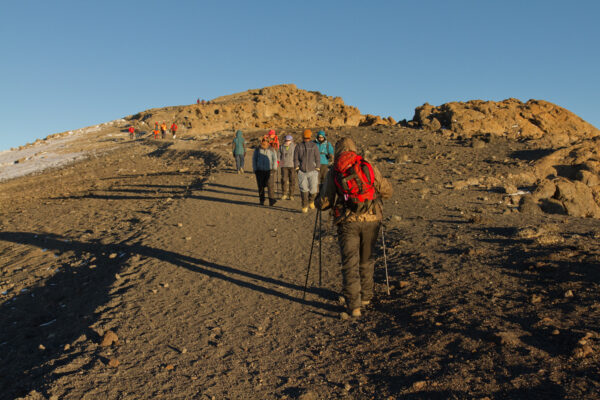
7-Day Machame Route
The Machame Route’s 7-day itinerary for climbing Mount Kilimanjaro starts with a drive to Machame Gate, progresses through Machame, Shira, Barranco, and Karanga Camps, peaks at Uhuru Peak on summit night, and descends via the Mweka Route to Mweka Gate, concluding with a transfer back to Arusha or your hotel.
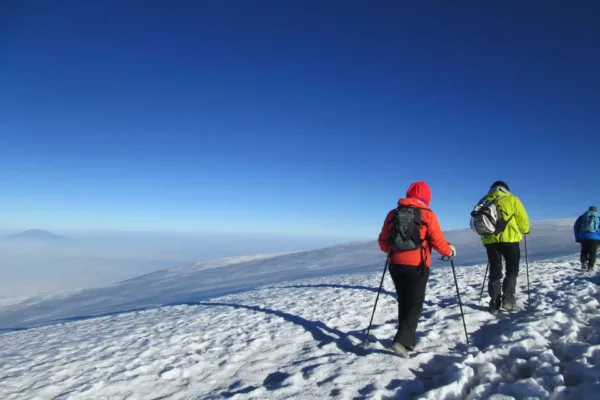
6-Day Machame Route
The Machame Route 6-Day is a popular, scenic, and challenging trek up Mount Kilimanjaro, known as the “Whiskey Route” for its varied and demanding terrain. The itinerary includes traversing through rainforest, alpine desert, and high-altitude landscapes, with the crucial “climb high, sleep low” strategy to aid acclimatization. Trekkers ascend the infamous.
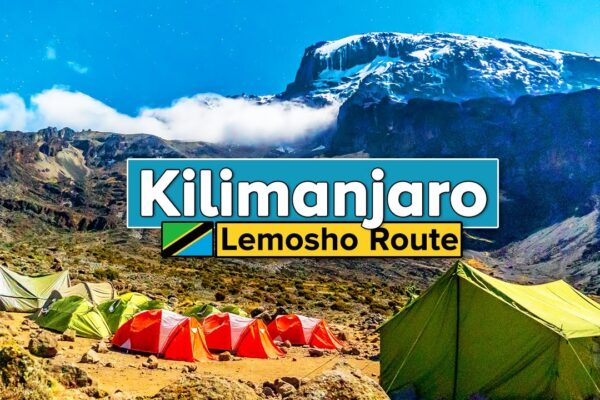
8-Day Lemosho Route
The Lemosho Route is a highly scenic and successful 8-day trek up Mount Kilimanjaro that starts on the west side at Londorossi Gate. This extended itinerary provides a gradual ascent, improves altitude acclimatization, and offers a short day before summit to allow for better rest on the toughest day, significantly increasing the chances of success.
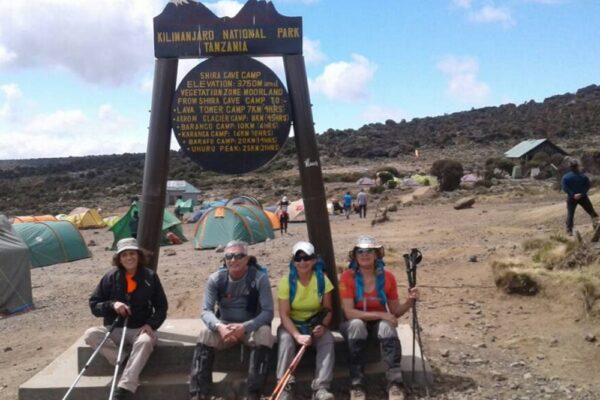
7-Day Lemosho Route
The 7-day Lemosho Route is a popular trek up Mount Kilimanjaro, starting from the western side and offering excellent acclimatization, scenic diversity from rainforest to alpine desert, and increased summit success rates. The itinerary involves daily stages, typically reaching Uhuru Peak before descending via the Machame Route.
6-Day Lemosho Route
The Lemosho Route 6-Day is a challenging, scenic trek up Mount Kilimanjaro, known for its high success rates and beautiful views, though the compressed schedule increases the physical demand. The route begins on the west side, entering through Londorossi Gate and crossing the Shira Plateau before joining the Machame route.
9-Day Northern Circuit Route
A 9-day Northern Circuit Route is the longest and arguably the “connoisseur’s” trekking route on Mount Kilimanjaro, offering excellent acclimatization by circumnavigating the mountain’s northern, quieter slopes before ascending to Uhuru Peak. The route begins via the Lemosho Route, passing through diverse ecological.
5-Day Marangu Route
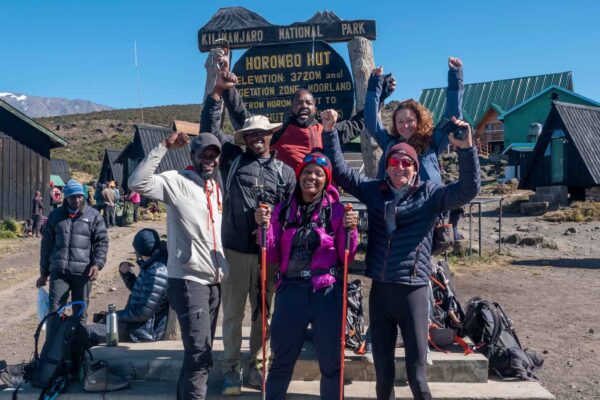
A 5-day Marangu route trek up Mount Kilimanjaro involves a fast descent, with the summit attempt on Day 4 and a return to Horombo Hut, followed by a long trek to Marangu Gate on Day 5. This itinerary is characterized by hut accommodations and a relatively lower summit success rate due to insufficient acclimatization time. The route ascends through rainforests to Mandara and Horombo Huts before reaching Kibo Hut for the summit bid, after which.
6-Day Marangu Route
The Marangu Route, also known as the “Coca-Cola Route,” is a 6-day Kilimanjaro trek that involves hut-to-hut camping and offers an acclimatization day for better success rates. The route ascends through rainforest, heathland, and alpine desert to the summit at Uhuru Peak, then descends to Marangu Gate. It is the only route with hut accommodations and is a popular choice for those seeking a less rugged, though still challenging, high-altitude trek.
7-Day Shira Route
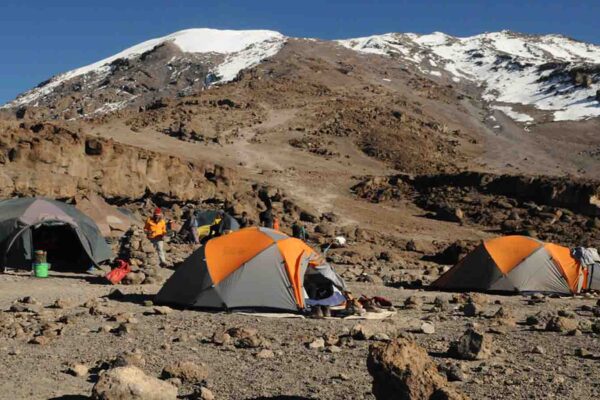
The Shira Route is a 7-day trek up Mount Kilimanjaro that starts from the west, crossing the scenic Shira Plateau before joining the Southern Circuit and descending via the Mweka Route. A key feature of the Shira route is its start at a higher altitude than other routes, bypassing the rainforest and beginning with a pleasant, relatively flat walk across the plateau, though this also means climbers may experience higher-altitude symptoms on Day 1.
7-Day Rongai Route
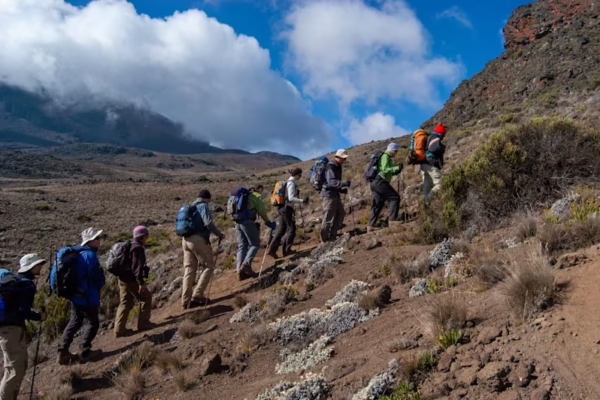
The 7-day Rongai Route is a trek up Mount Kilimanjaro that offers a more secluded experience, starting near the Kenyan border and ascending the mountain’s northern side before joining the Marangu Route for the final summit push and descent. Over seven days, you’ll gradually ascend through rainforest, moorland, and arctic zones, aiming for Uhuru Peak.
6-Day Rongai Route
The 6-day Rongai route is a moderately difficult, less crowded, and gentler option for climbing Mount Kilimanjaro that approaches the summit from the north, starting near the Kenyan border and descending via the popular Marangu route. The itinerary involves trekking through varied habitats, from rainforests and moorlands to semi-desert.
6-Day Umbwe Route
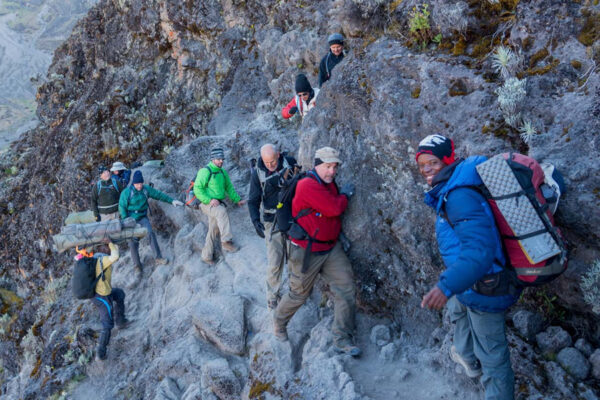
The 6-day Umbwe Route is the shortest and most challenging route on Mount Kilimanjaro, known for its steep, rapid ascent and low success rate, making it suitable for experienced climbers with strong acclimatization skills. It ascends through diverse zones from rainforest to alpine desert, reaching the summit via Stella Point and descending on the Mweka trail.
Expert Opinion
Our expert opinion from our Kilimanjaro Trekking Services’ Team.
When it comes to beginner-friendly peaks, Kilimanjaro is right up there. Even if you’ve never climbed before, you should be able to complete this moderately difficult excursion.
But you must not discount Kilimanjaro: That’s a lot of height—5,895 meters (19,340 ft). Low levels of oxygen in the blood can lead to high-altitude sickness. Every year, unfortunate things happen. Choosing operators with affordable prices is the main reason. They rely on shoddy gear and have guides who aren’t trained in first aid or crisis management.
Kilimanjaro Trekking Routes and Maps
There are seven main routes to climb Mount Kilimanjaro: Lemosho, Machame, Marangu, Rongai, Shira, Umbwe, and the Northern Circuit, plus the Mweka descent route, each offering different scenery, difficulty, and acclimatization profiles, with Lemosho and Northern Circuit known for great views and success rates, while Marangu is shorter and Rongai offers an easier approach from the north
There is more to climbing Kilimanjaro than just making the ascent and descent. You can choose from a variety of routes. In the end, a climber’s route selection is heavily influenced by factors including weather, scenery, difficulty, and foot traffic. To begin organizing your perfect Kilimanjaro trip, pick the path that suits you best:
Machame Route
Machame Route is the second most popular Kilimanjaro trekking trail. The southern mountainside tropical rainforest is where it all begins. For a more optimal acclimatization profile, beginners should go with the seven-day option. The Machame Route is a popular choice for hundreds of Kilimanjaro Trekking Services.
The Machame Route, sometimes called the Whiskey Route, is one of the most well-traveled paths up Kilimanjaro. The route is hilly and difficult, but there is a high success rate due to the short daily distances and good acclimatization profile.
Kilimanjaro National Park reports that the Machame Route accounts for about half of all climbers to Kilimanjaro. Hikers will be treated to breathtaking scenery along the way, with a variety of landscapes to explore.
A comprehensive map of the Machame route is provided here.
Lemosho Route
A remote trailhead is the starting point of the Lemosho Route, which begins on the western slope of Kilimanjaro. The Cathedral Peak (3,962m/13,000 feet) and the world-renowned Shira Plateau are two of the most notable features. The second one is the peak of Kili’s western flank. For the best acclimatization on Kilimanjaro, go to Lemosho. If you are planning a group or solo climb of Kilimanjaro, our specialists recommend this route. Quite possibly the greatest, if not the finest.
Many consider the Lemosho Route to be the most picturesque way to climb Kilimanjaro. To reach Uhruru Peak, one of my favorite ways to climb Kilimanjaro is on this relatively new trail.
Beginning from the Londorossi Gate on Kilimanjaro’s western flank, it continues onwards. The Shira Route starts at a higher and more difficult height, thus this walk was added as a substitute. The acclimatization profile of Lemosho is better and gentler, and it has a high success rate for reaching the summit.
The Lemosho Route is an excellent option for climbing Kilimanjaro, and I’ll tell you why in this post. I’ll also compare the 7-day and 8-day choices and provide a detailed explanation of the itinerary. Keep reading to get all the details about this well-traveled path!
Marangu Route
Marangu goes around Kilimanjaro’s eastern side. It is the most popular Kilimanjaro route, chosen by more over 30% of the hikers who climbed the mountain in 2023. Campouts are reserved for hikers on all other paths. On Marangu, though, groups of four to ten people share small wooden houses for the night. When hiking Kilimanjaro in the wetter months, these shelters are ideal. Not only that, but no other path does both the ascent and the descent along the same path.
The Marangu Route, which has several other names including the “Coca-Cola Route” and the “Tourist Route,” is the most well-established and ancient route on Mount Kilimanjaro. Since Marangu is the sole mountain route that offers hut lodging to hikers, it naturally ranks high among the most popular routes.
Horombo Hut has 120 bunk beds, while Mandara and Kibo Huts each have 60. Climbers usually have access to mattresses and pillows provided by tour operators; nevertheless, hikers should bring their own sleeping bags.
Our comprehensive Marangu route guide is here.
Rongai Route
On the mountain’s northern flank, near the Kenyan border, Rongai is the exclusive path. A picturesque pine forest is traversed by the trail. Climbing Kilimanjaro at any time is possible there because fewer people go there. The eastern Marangu route is followed on the descent. Because of this, trekkers may take in the breathtaking vistas of Kilimanjaro’s eastern slopes.
Only the Rongai Route ascends Kilimanjaro from its northern, Kenyan foot.
Trekkers can expect to encounter large animals such as antelope, elephants, and buffalo along this route due to its secluded nature.
Trekkers are less likely to experience rain on the north-east slopes of the mountain since they receive far less moisture than the southern slopes. Additionally, hikers have a better chance of seeing the mountain in all its glory.
Our comprehensive Rongai route guide is here.
Umbwe Route
Due to its initially steeper terrain, the Umbwe Route presents more of a challenge than the others. Anyone in decent physical condition should try it. In addition, compared to other routes, it expedites the climbers’ arrival at higher camps. Acclimatization before the climb is highly recommended. Similar to Machame, it winds its way through a picturesque tropical jungle. There you can spot blue monkeys and colobus monkeys.
Getting to Uhuru Peak via the Umbwe Route was once the easiest, fastest, and steepest option.
A catastrophic rock-fall in 2006 killed three hikers, closing the approach via the Western Breach, which was formerly used to reach the summit via Arrow’s Glacier road. The route reopened in December 2007, however most travel operators do not recommend it because of how tough it is.
Alternatively, the Umbwe Route will now intersect with the Machame Route in the late afternoon of the second day. It will then descend by the Mweka Route after ascending via the southern circuit (see to the map of the Umbwe Route below for details).
Northern Circuit Route
Mount Kilimanjaro’s Northern Circuit is its longest ascent path. Starting on the western side of the cone, this path winds its way around it, eventually reaching the peak from that direction. The southern slope is the one you’ll descend. Wonderfully, this path offers hikers a view of the mountain from all four angles. But it doesn’t include the Barranco Wall or the Dendrosenecio plants, two major attractions.
One of the most recent and extensive routes on Mount Kilimanjaro is the Northern Circuit.
Starting from the Londorossi Gate in the west, it shares the first two days of its route with the Lemosho Route. Rather than taking the shorter Southern Circuit via Barranco Valley, which is more popular, the route heads north near Lava Tower after crossing the Shira Plateau (see map below).
As it heads eastward around the mountain, the path skirts the less crowded northern slopes.
From this point on, there are a several alternative ways to climb Kilimanjaro, but they all begin at Gilman’s Point, go to the summit, and then either descend via the Marangu Route, which joins trekkers from the Machame, Umbwe, Lemosho, and Shira routes, or the Mweka Route.
Our comprehensive guide to the Northern Circuit of Kilimanjaro is here.
Facts to know before your Kilimanjaro Hike
Height: 19,340 ft/5,895 m
Trekking Distance: 42 miles (70km) | Lemosho Route
Climate zones: Rainforest, Heather, Moorland, Alpine, Arctic
Kilimanjaro Routes: Lemosho, Machame, Rongai, Northern Circuit, Marangu, Umbwe
Peaks: Kibo, Mawenzi, Shira
Required Skills: Average fitness level
Conservation status: Natural UNESCO World Heritage Site since 1987
Kilimanjaro Hike Lengths: 6-9 days
Average Climb Cost: $2,750
Kilimanjaro Success Rate: 98%
The Best time to Climb Mount Kilimanjaro
Mountain weather is often erratic, and the optimal periods for a Kilimanjaro walk are the dry seasons: December to early March and June to October. We refrain from climbing during the peak of the rainy season for safety considerations.
The best time to climb Mount Kilimanjaro is during the two main dry seasons: from January to mid-March and from mid-June to October. These periods offer the clearest skies and most stable, comfortable weather for your climb, with January, February, July, August, and September being particularly popular choices.
Kilimanjaro Packing List
Although Kilimanjaro is regarded as the most accessible of the “Seven Summits” – the highest peaks on each continent – this expedition should not be underestimated.
Assembling your Kilimanjaro equipment is a crucial step towards a successful ascent. The internet is replete with travel tips; however, the majority inadequately elucidate why specific items is essential while others can be omitted.
A comprehensive Kilimanjaro packing list includes high-quality, layered clothing (waterproof jacket and pants, warm mid-layers, and moisture-wicking base layers), sturdy hiking boots, sleeping gear (a 4-season bag and mat), trekking poles, a 30-40L daypack, and a large 70-100L duffel bag for porters. Essential personal items include a first-aid kit, sunscreen, lip balm, hand sanitizer, and medications for altitude sickness.
Climbing Kilimanjaro for A Cause
Climb Kilimanjaro For Charity:
Climb Kilimanjaro in support of a worthy cause; it will be an incredible experience. In your spare time, would you like to climb Kilimanjaro to raise money for a good cause? We are here to assist you in raising funds for your cause, whether you are participating in a private climb or joining one of our public groups.
Why Kilimanjaro Trekking Services Co.
- Kilimanjaro Trekking Experts
- Best Mountain Guides
- Culture of Health & Safety
- English Speaking Guides
- Quality Mountain Equipment
- Tasty & Nutritious Food
- Support during your time Tanzania
- Social Responsibility
Kilimanjaro Trekking Preparations
We will be with you every step of the way
Climbing Kilimanjaro is an incredible journey that will test your mettle and provide you with unforgettable rewards. Before you go on the enchanted climb, there are a few of things to consider. If you have any queries or concerns, our top-tier tour operator is here to help you through the entire process, from initial planning to final ascent of the Roof of Africa.
Africa is home to some of the world’s most visited mountain ranges, including Mount Kilimanjaro. Annually, more than forty thousand people go there. It’s a stunning hike that doesn’t call for any special climbing expertise. A healthy average level of fitness is all that is required to reach the summit.
Our goal in penning this book was to assist readers in getting ready for the once-in-a-lifetime Kilimanjaro climb. Based on our extensive experience climbing Kilimanjaro over the past decade, we have compiled all of the suggestions below. The Kilimanjaro Trekking Services has guided more over 20,000 individuals on Kilimanjaro climbing tours during this time.